SPATIOTEMPO
Towards caring 15-minute cities
Time-sensitive research in Vienna, Barcelona and Bolzano.
Aim
SPATIOTEMPO builds on the 15-minute city idea, which aims to bring everyday destinations within a short walk or bike ride. But being close is not enough. It also matters when places and services are open, and who can use them. The project looks at the rhythms of daily urban life, such as opening hours, transport schedules, and care responsibilities, to make the 15-minute city work for everyone and to build fairer, more caring, and more inclusive cities.
Objectives
1.
We investigate how reorganising the schedules and rhythms of the city, such as opening hours, public transport timetables, and daily routines, can bring services closer to people, not only in terms of distance, but also in terms of availability and accessibility.
2.
Using an innovative set of methods, we examine how different groups of people experience the rhythms of the city and identify their temporal needs and constraints, paying attention to social differences and inequalities.
3.
We develop an urban planning framework, grounded in the key principles and practices of time-sensitive planning and the contexts in which they emerged, that can be transferred and adapted to different urban environments.
Three urban cases & two urban initiatives
SPATIOTEMPO focuses on two urban initiatives: time offices and superblocks. Time offices are municipal bodies that coordinate time policies, such as opening hours and transport schedules, to fit residents’ needs. Superblocks are groups of city blocks where traffic is restricted, returning street space to residents and reorganising it to be greener, safer and healthier. We have studied these initiatives in three different contexts.
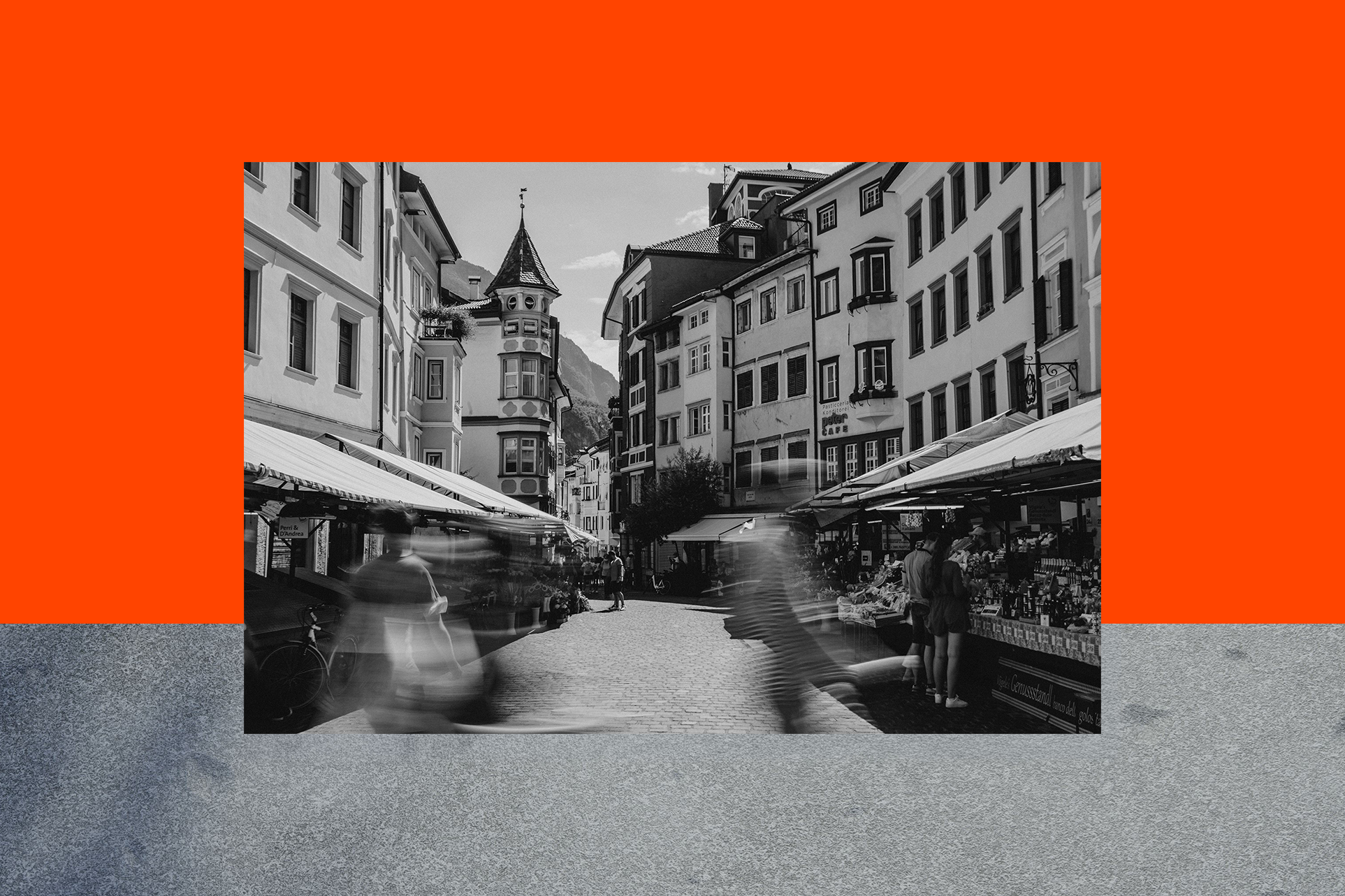
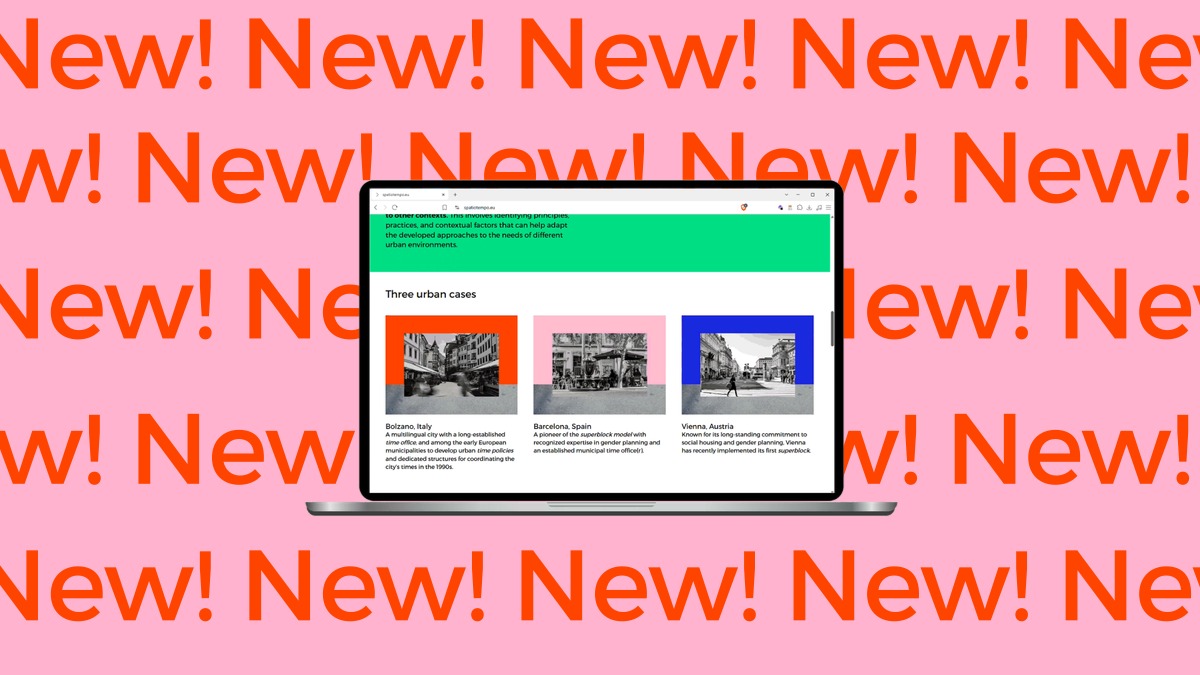
Bolzano, Italy
A multilingual city with a long-established time office, and among the early European municipalities to develop urban time policies and dedicated structures for coordinating the city’s times in the 1990s.
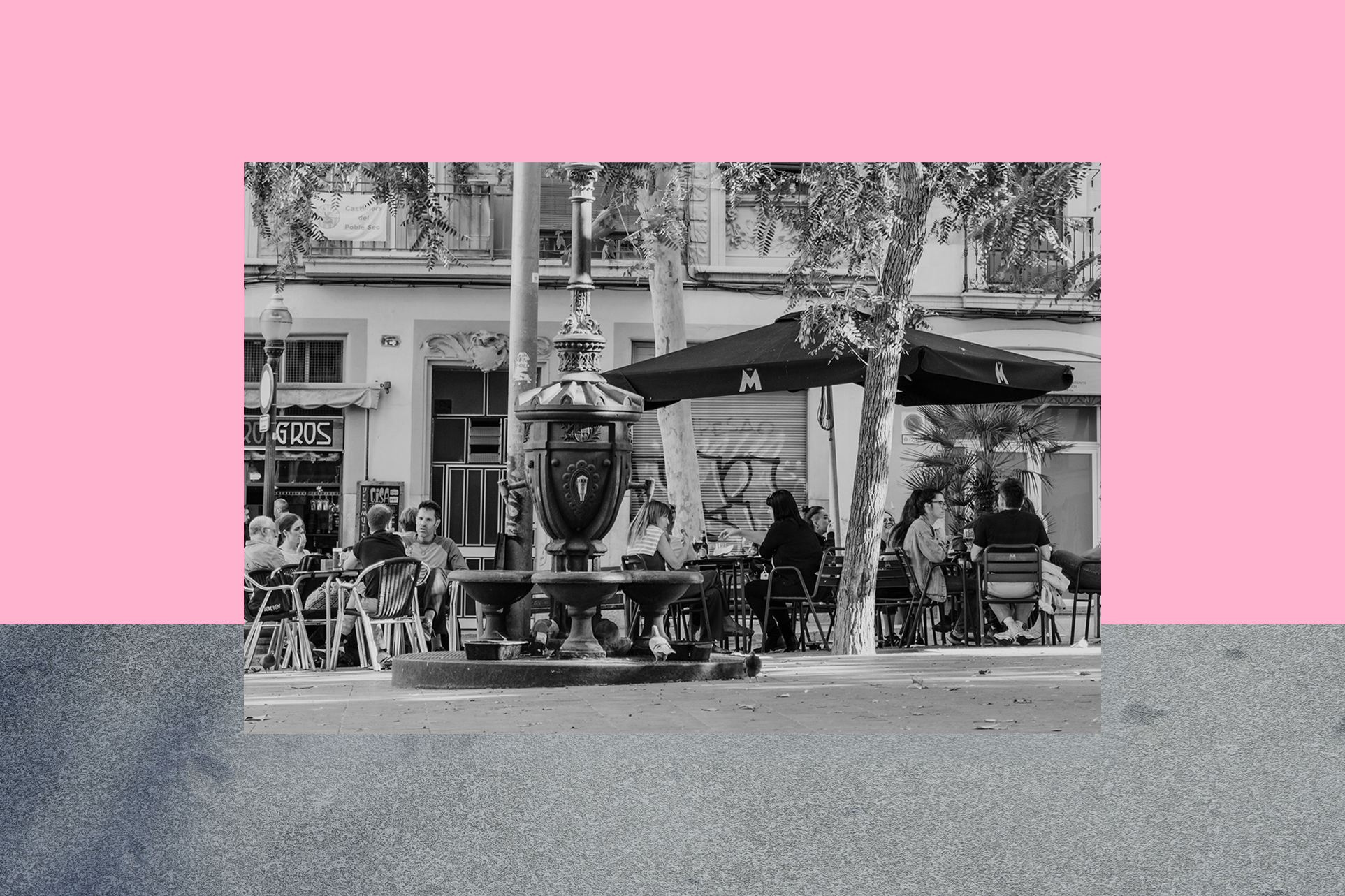
Barcelona, Spain
A pioneer of the superblock model with recognized expertise in gender planning and an established municipal time office(r).
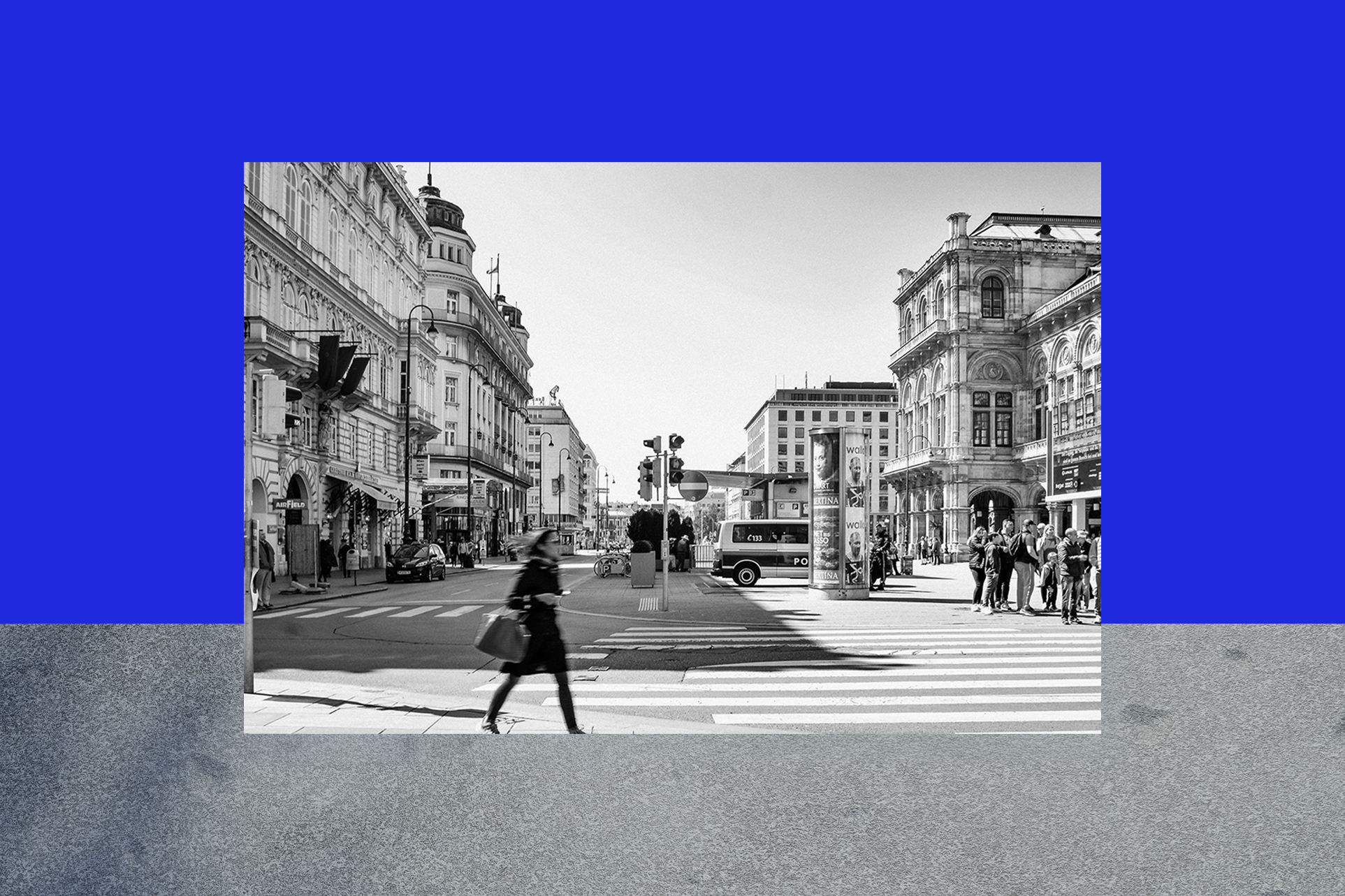
Vienna, Austria
Known for its long-standing commitment to social housing and gender planning, Vienna has recently implemented its first superblock.
Partners
The project unites seven institutions from Barcelona, Bolzano, and Vienna across academia and local government.



Team
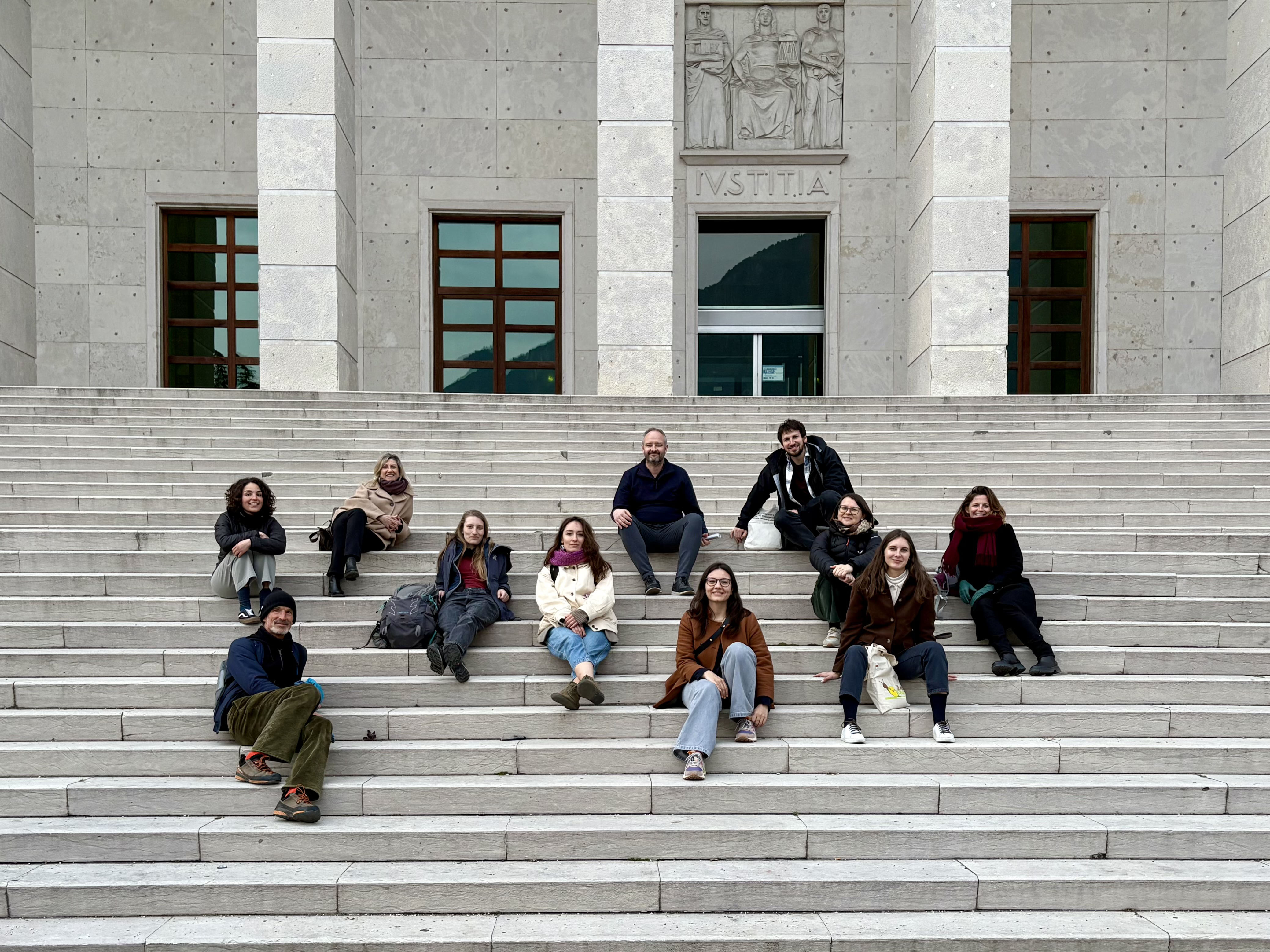
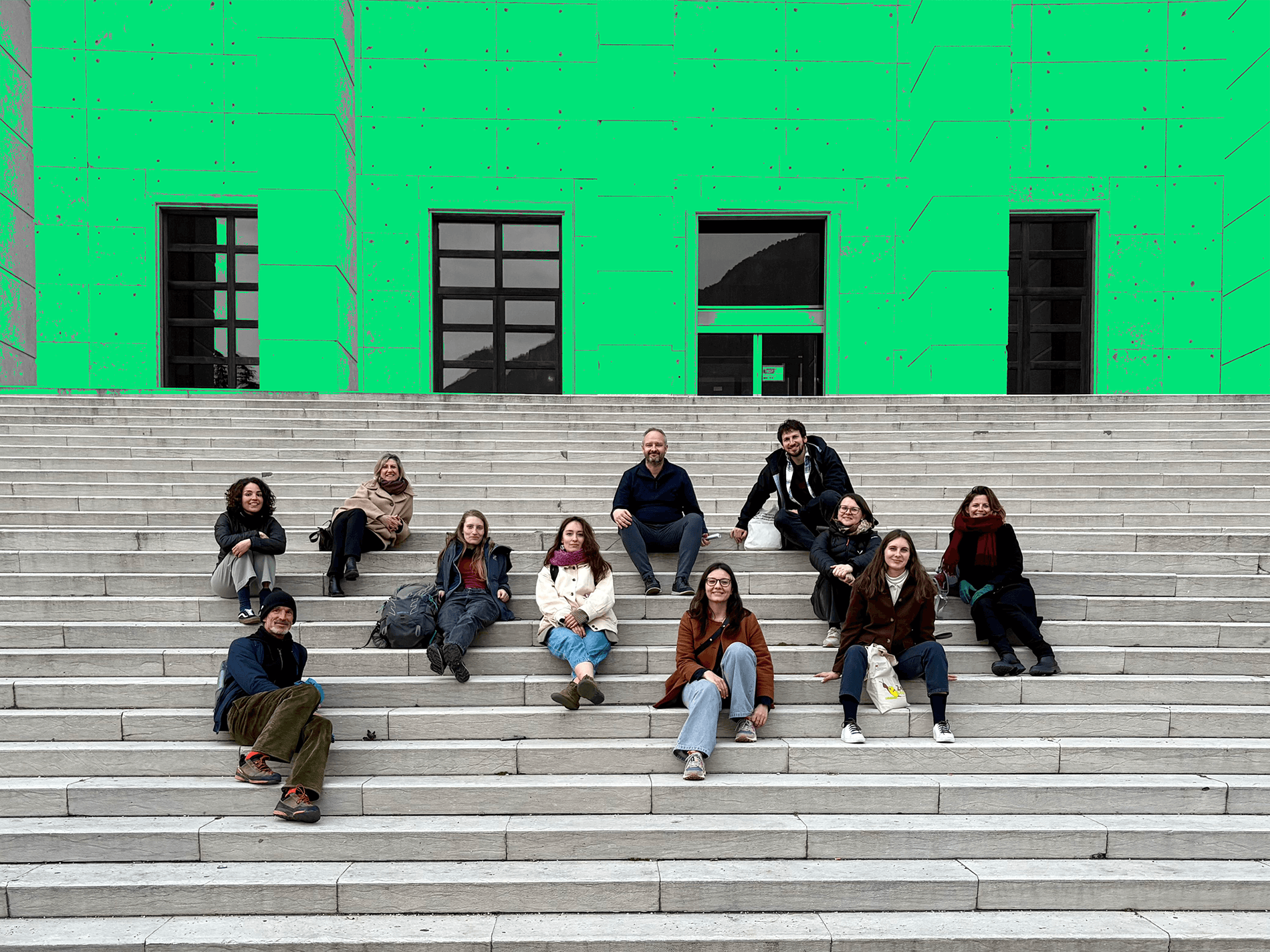
Our consortium brings together an interdisciplinary team of economists, anthropologists, sociologists, and eco-social designers. Adopting a transdisciplinary approach, the project engages urban policymakers, planners, and other public stakeholders to bridge research, policy, and practice.
News & Events
Got questions?
Contact us